Background

Restoration Takes Time.

But It Has Begun.

Glashapullagh Peatlands

Scroll to explore

The Glashapullagh Project

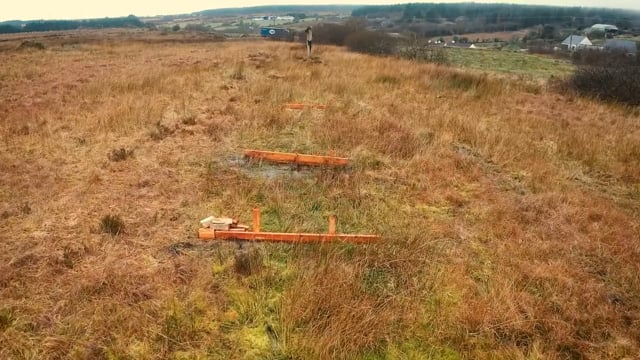
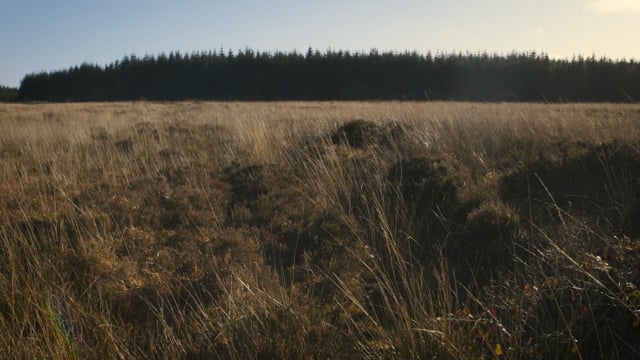
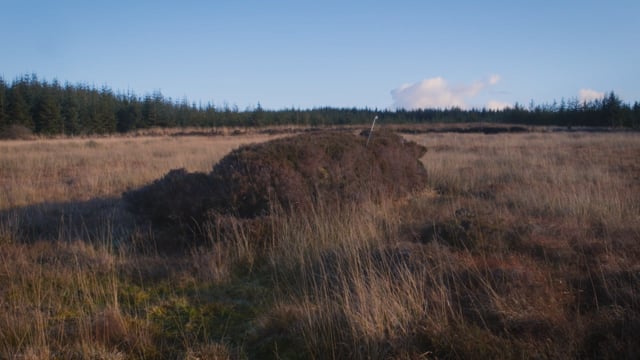
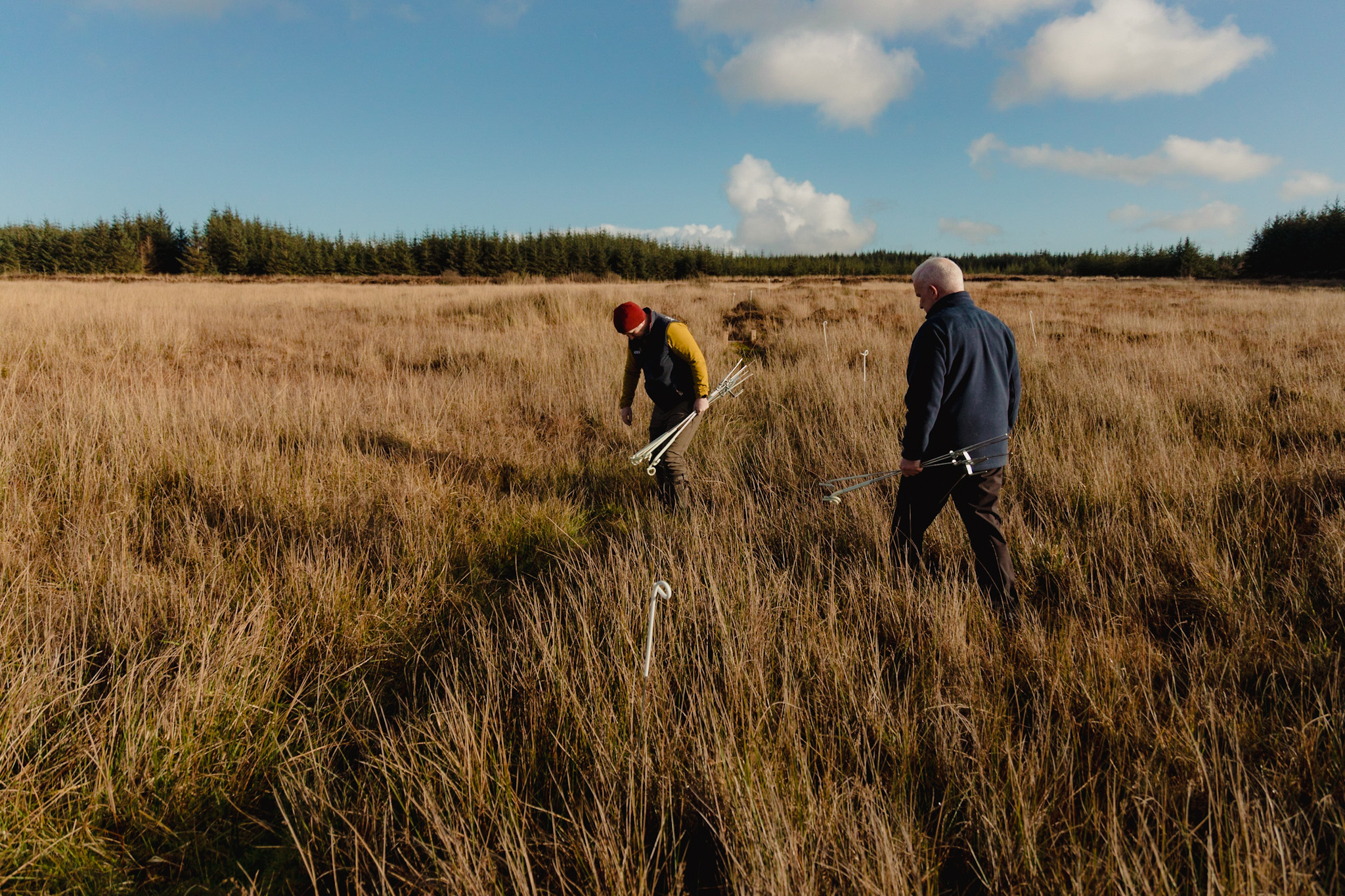
The Glashapullagh site is a drained and cutover blanket bog in West Limerick. This has led to severe peat compaction, the loss of peat and the spread of rushes. To reverse this degradation, a comprehensive Restoration Action Plan was developed involving drone and ground surveys to map vegetation, peat depth, slope, and drain dimensions.

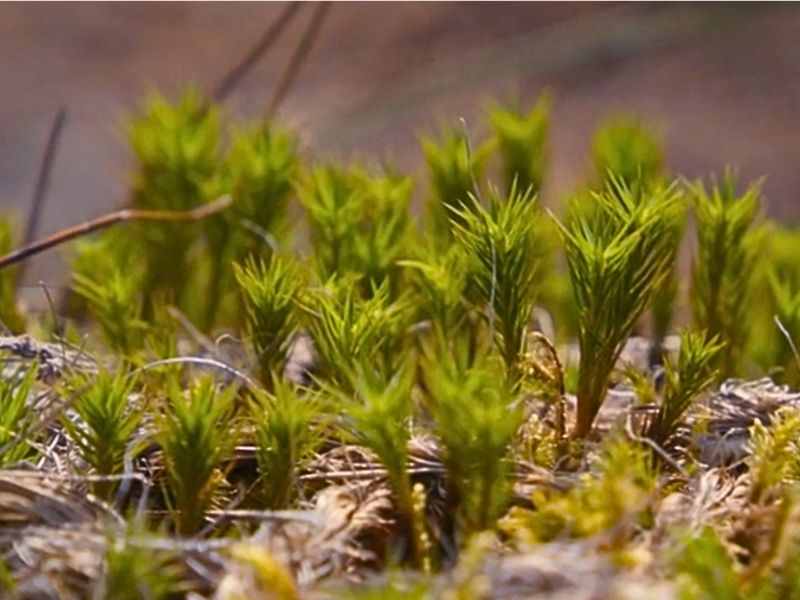
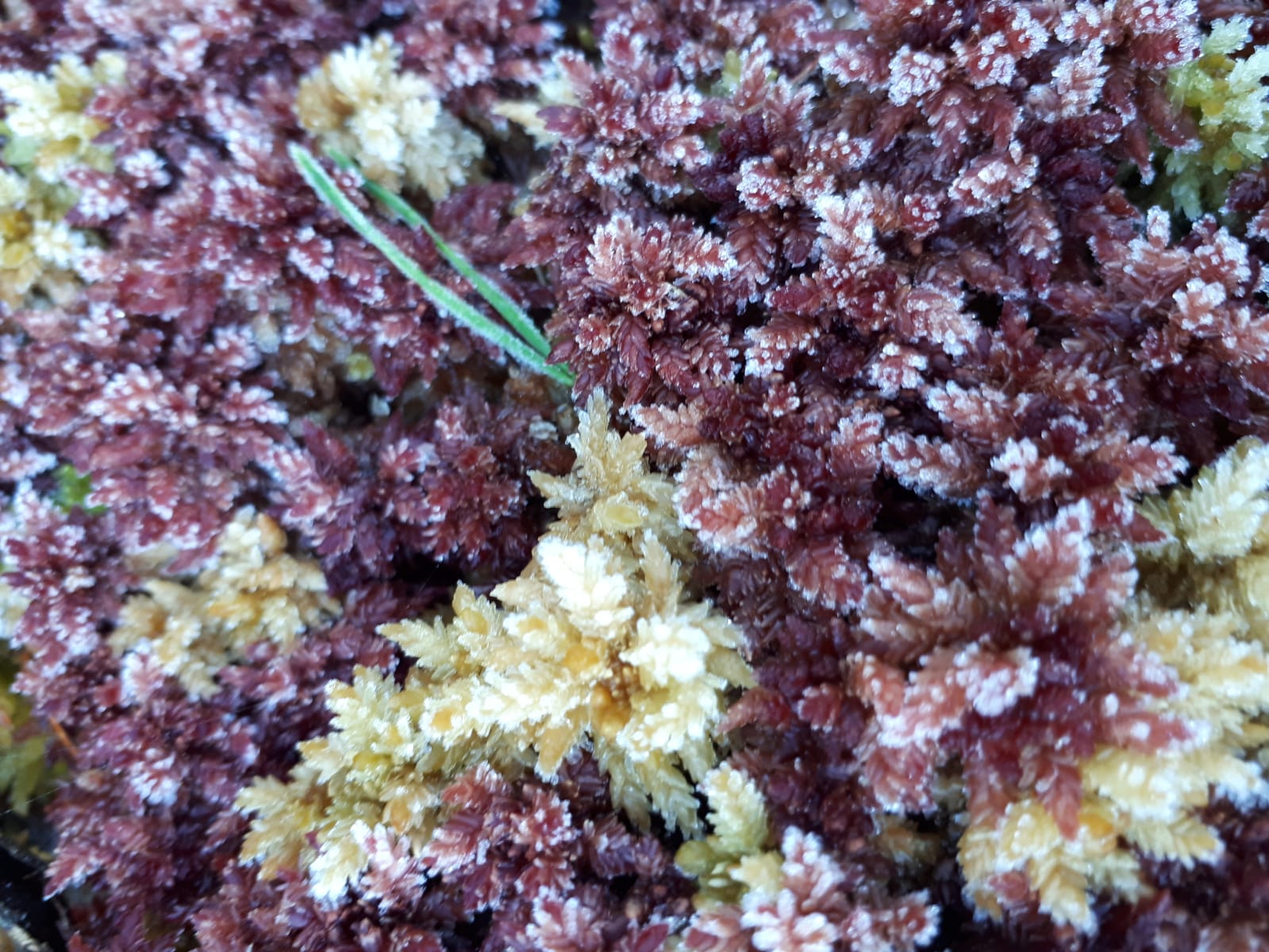
Approved by the National Parks and Wildlife Service (NPWS), the restoration works at Glashapullagh were planned with clear objectives: to slow carbon loss by preventing the oxidation of dry peat; to improve habitats for wildlife particularly for ground-nesting birds; and to encourage the return of Sphagnum mosses, by raising the local water table.

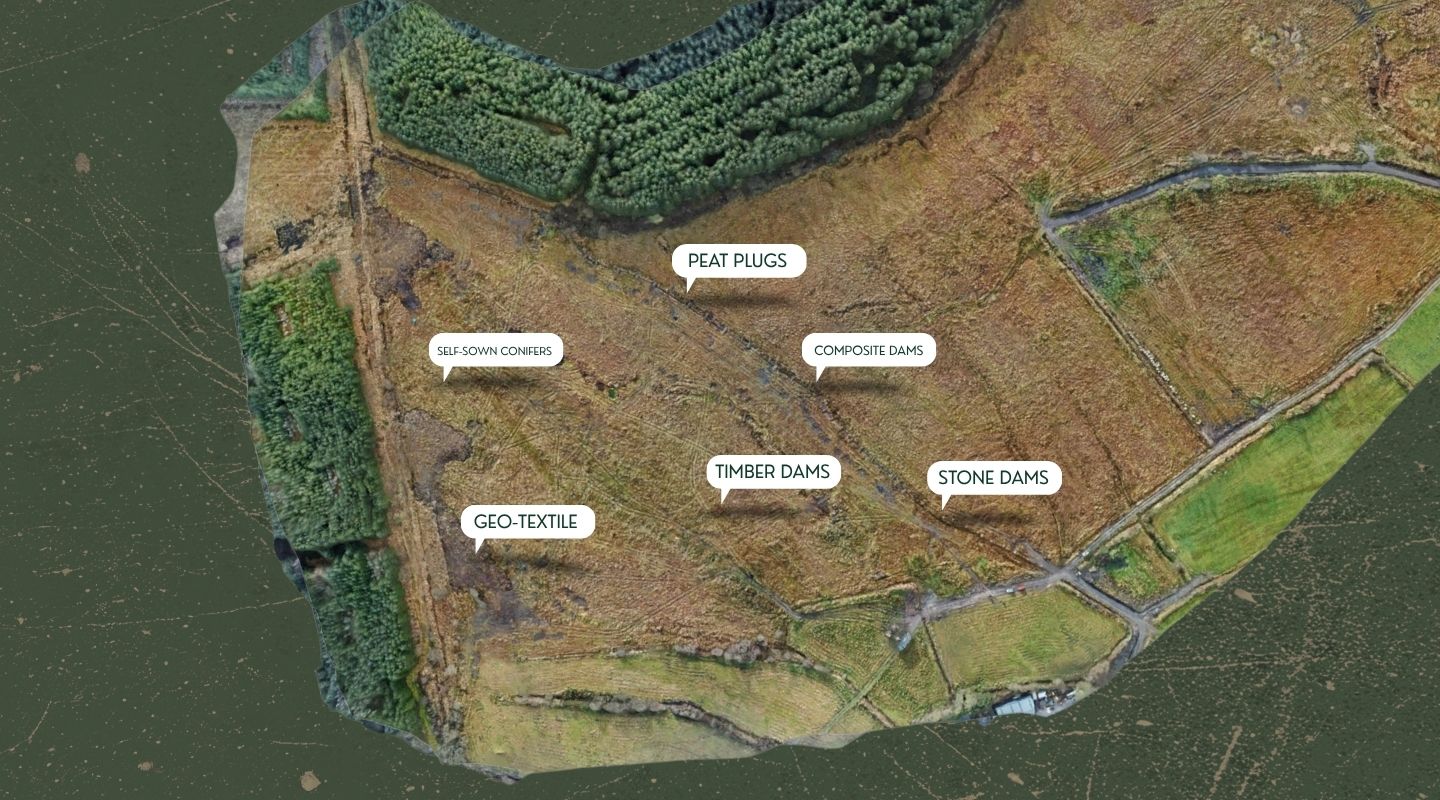
The project serves as both a working restoration site and as a model for blanket bog recovery across the Atlantic seaboard. Every technique deployed from timber dams to geotextile to the removal of self-sown conifers has been carefully matched to the site’s specific ecological and hydrological conditions. All of this is available to the visitor to the site but also through digitally through short films and augmented reality tours. We hope the story of this bog will be both resource and an inspiration for all those working on other restoration projects.
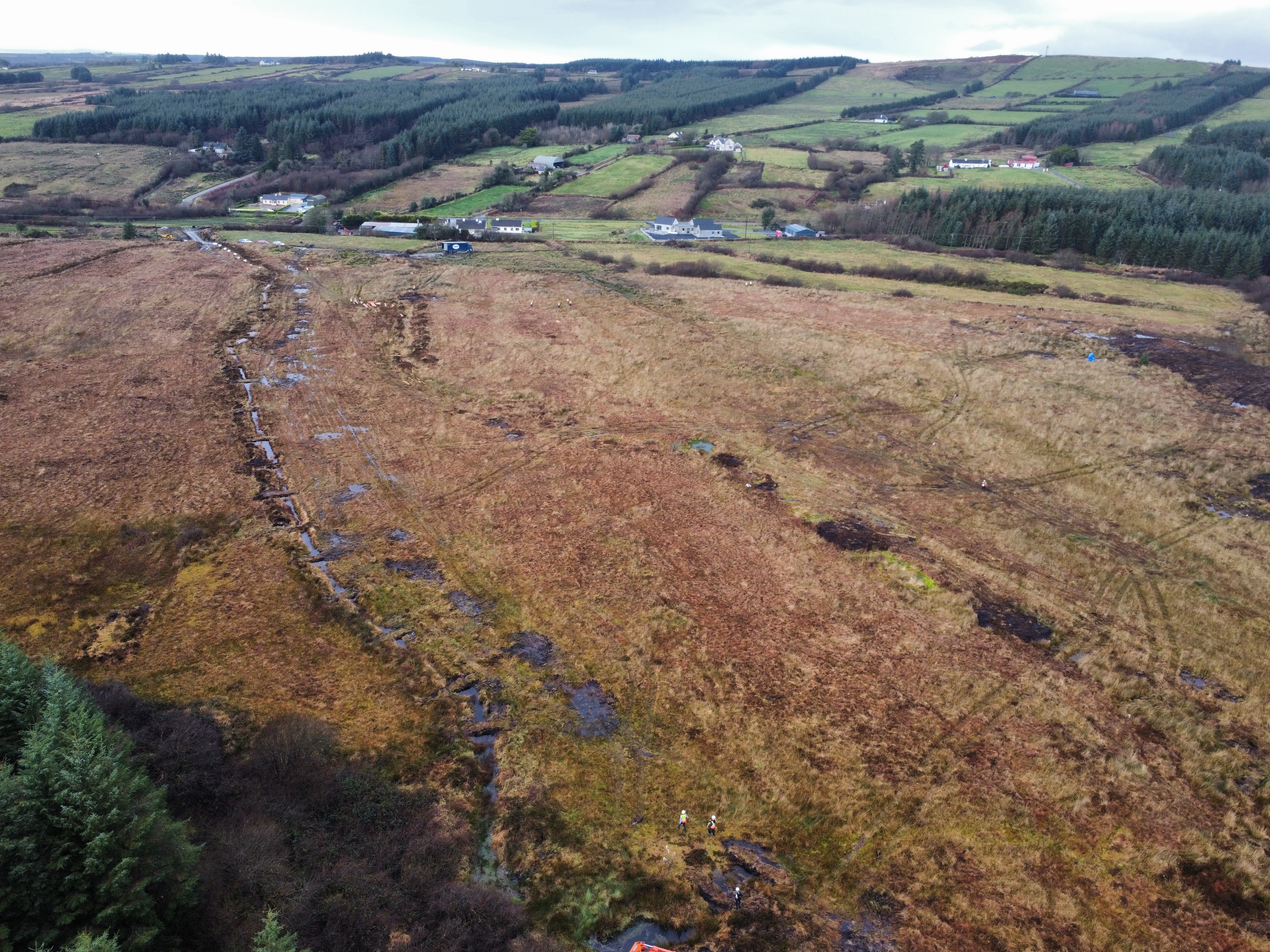
Glashapullagh

The Glashapullagh site is a drained and cutover blanket bog in West Limerick. This has led to severe peat compaction, the loss of peat and the spread of rushes. To reverse this degradation, a comprehensive Restoration Action Plan was developed involving drone and ground surveys to map vegetation, peat depth, slope, and drain dimensions.

Approved by the National Parks and Wildlife Service (NPWS), the restoration works at Glashapullagh were planned with clear objectives: to slow carbon loss by preventing the oxidation of dry peat; to improve habitats for wildlife particularly for ground-nesting birds; and to encourage the return of Sphagnum mosses, by raising the local water table.

The project serves as both a working restoration site and as a model for blanket bog recovery across the Atlantic seaboard. Every technique deployed from timber dams to geotextile to the removal of self-sown conifers has been carefully matched to the site's specific ecological and hydrological conditions. All of this is available to the visitor to the site but also through digitally through short films and augmented reality tours. We hope the story of this bog will be both resource and an inspiration for all those working on other restoration projects.
Objectives

The Restoration Plan

Improve Habitats

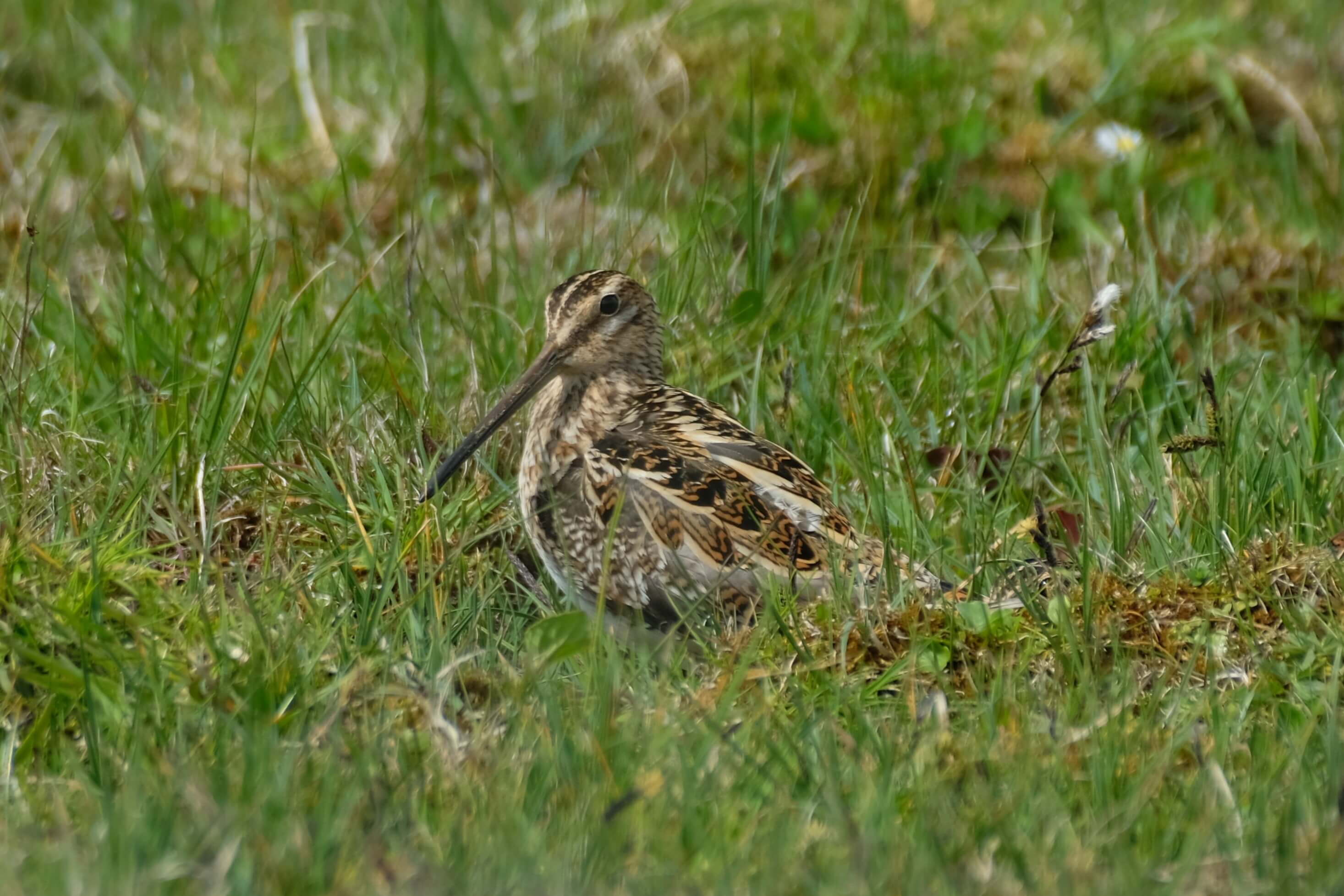
Protecting and enhancing habitats for ground-nesting birds including Snipe, and Hen Harrier by restoring the vegetation of the bog and removing self-sown conifers that facilitate predators.

Restore Peat-Forming Plants

Encouraging the return of Sphagnum mosses and native bog vegetation by raising the local water table and stabilising exposed peat surfaces. This is the only way to secure the bogs future.

Rewet the Landscape

Blocking historic drainage channels using timber dams, peat plugs, composite dams, stone dams, and coir logs to restore the bog's natural hydrology. There is no bog without water, by retaining water on the bog for longer we restore the site but also slow the runoff into rivers after intense rainfall reducing erosion and flood risks.

Slow Carbon Loss

Preventing the oxidation of dry peat and loss of Carbon dioxide to the atmosphere by raising the water table. Reducing the loss of dissolved organic carbon and Particulate Carbon by reducing erosion. Ultimately turning a degraded bog from a major Carbon source into a small Carbon sink.

Tell the Story of a Recovering Bog

While the site looked a bit messy in the first few months after the works were completed, We don't have to wait long for life to come back. Frogs spawning in the pools, wintering snipe feeding in the soft mud. By the first summer vegetation will start to cover the bare peat, insects will colonise the pools. We will monitor and share news as life returns.

Thinking Ahead

Glashapullagh is a small site, but it does serve to demonstrate the positives that restoration delivers. The restoration of a blanket bog does not mean flooding, but it does mean managing the bog for the future. Restoring its hydrology, securing the remaining peat and helping bring back the natural bog vegetation that will in time create new peat.

Restoration in Focus

Explore the Ongoing Work

From ecological surveys to community action the restoration and protection of the Glashapullagh peatlands.

01 / 04

Blanket Bog

Ecological Survey

Over 130 hectares of Atlantic blanket bog one of Ireland's rarest habitats. Aerial surveys reveal the vast mosaic of pools, hummocks, and sphagnum carpets that define the Glashapullagh landscape.

Blanket Bog

Aerial Survey

Landscape Transformation

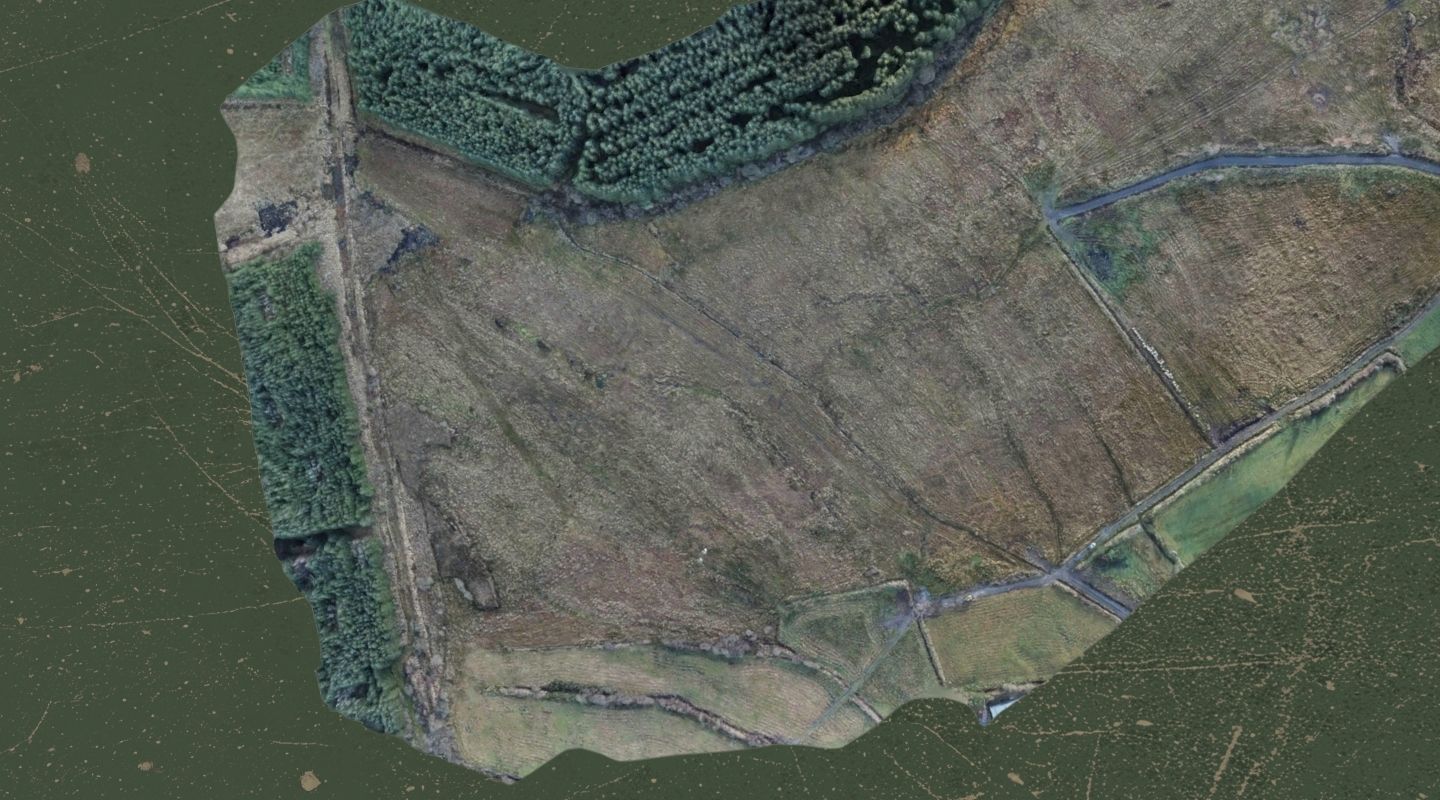
Glashapullagh aerial survey — after restoration
Glashapullagh aerial survey — before restoration
BeforeAfter

>140

Composite, peat, timber, stone dams

800m

Peat bank reprofiled

800m²

of bare peat protected with geotextiles

7

Hectares of bog restored

Recovery Takes Time

But at Glashapullagh, it has begun. Water is being held on the site for longer, the peat is not flooding, it is rewetting, like a sponge it is soaking up water and expanding. The bog is healing — its hydrology is recovering, the loss of Carbon is slowing, frogs are spawning, Snipe are coming here to feed. Soon, the pools will support swarms of insects, Meadow Pipits and perhaps Snipe will start to breed, and the Hen Harrier will hunt here again. As the years pass the rushes will diminish, Sphagnum will spread and in time new peat will begin to form.

Explore

Interactive Site

Explore the Glashapullagh restoration site in 3D. Navigate the landscape, discover restoration techniques, and see the work up close.

Media

The Glashapullagh Project

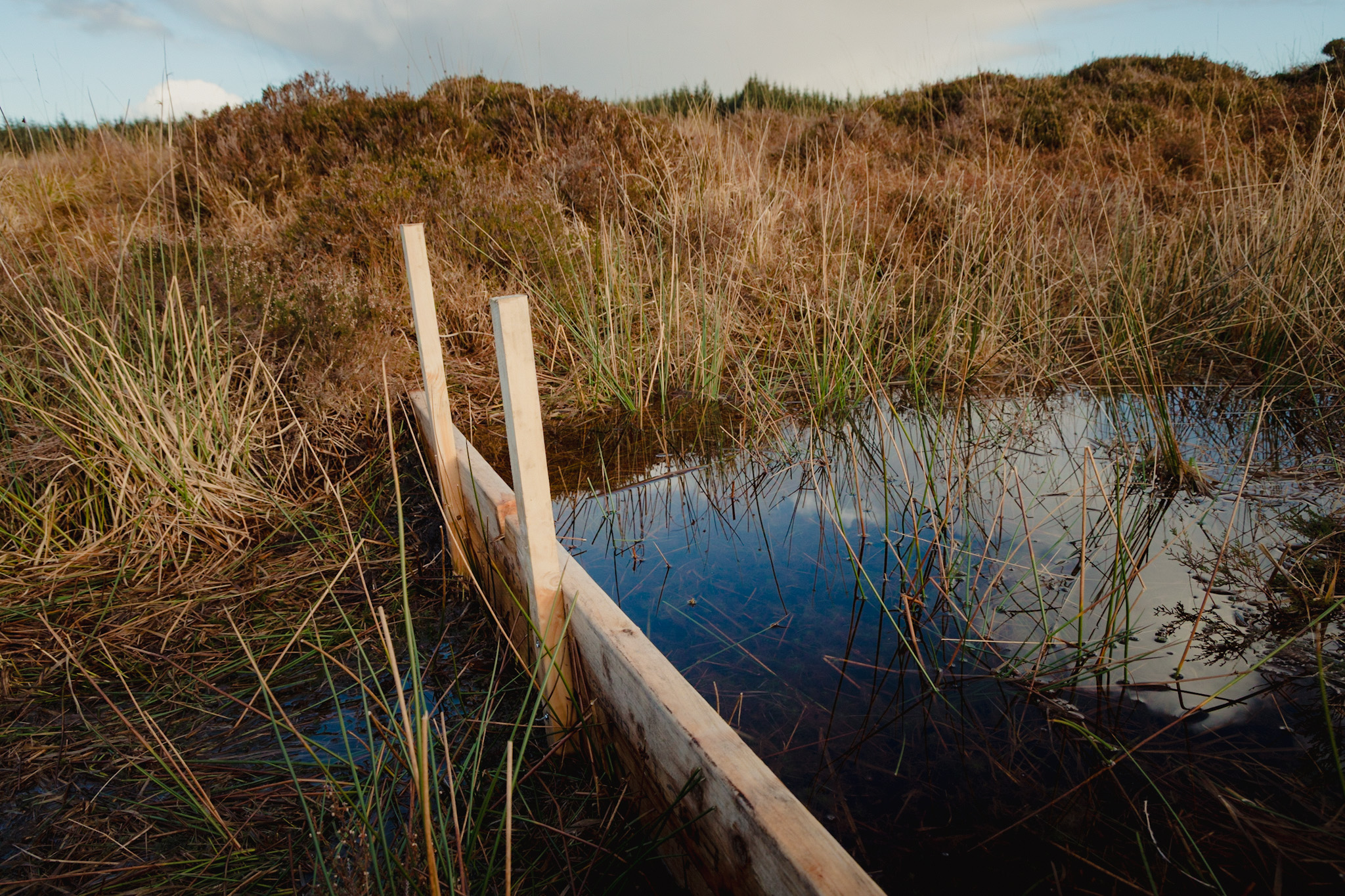
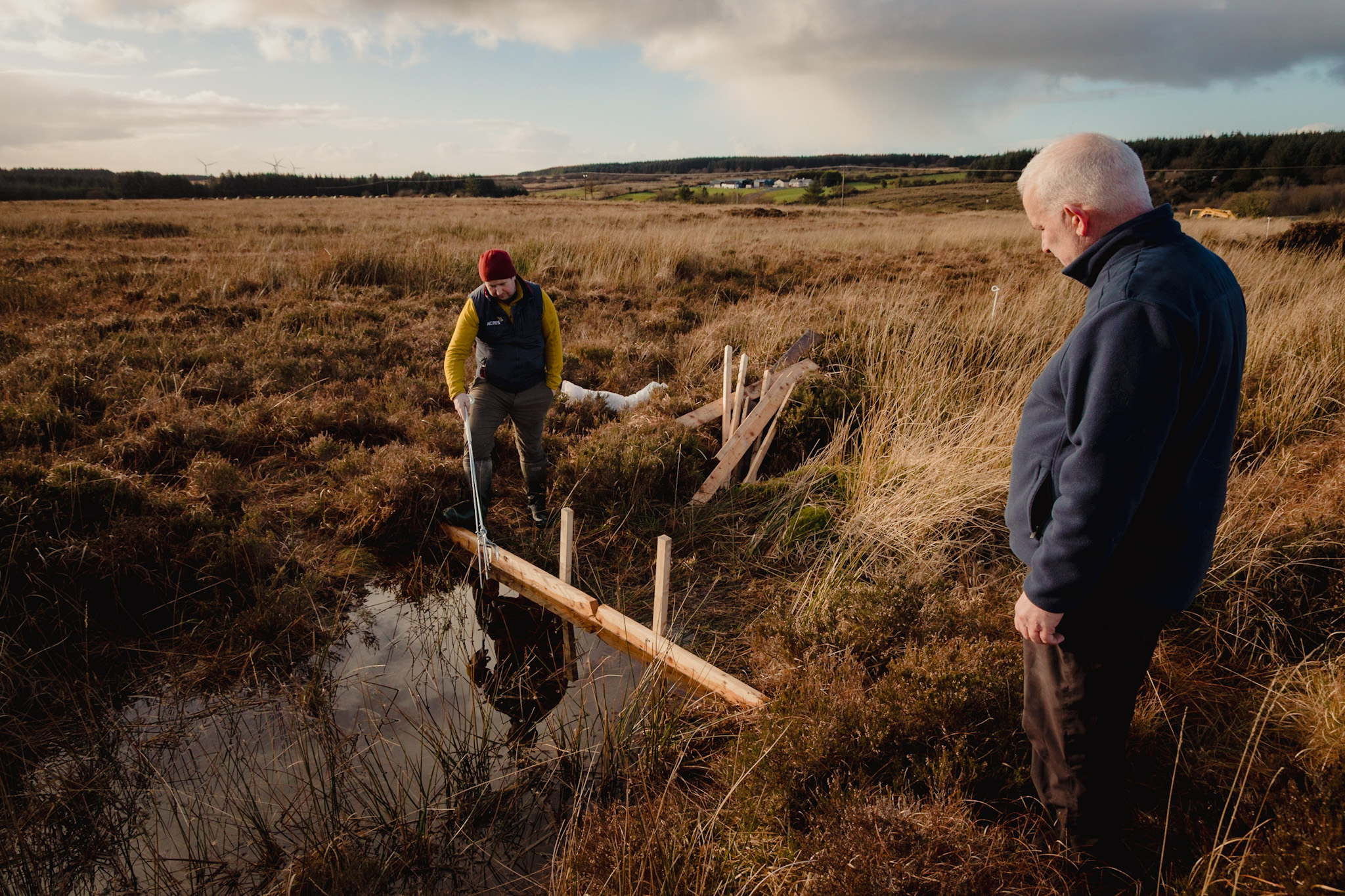
Timber Dams

Timber Dams

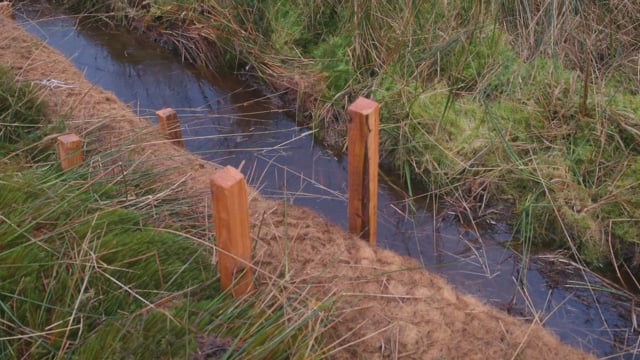
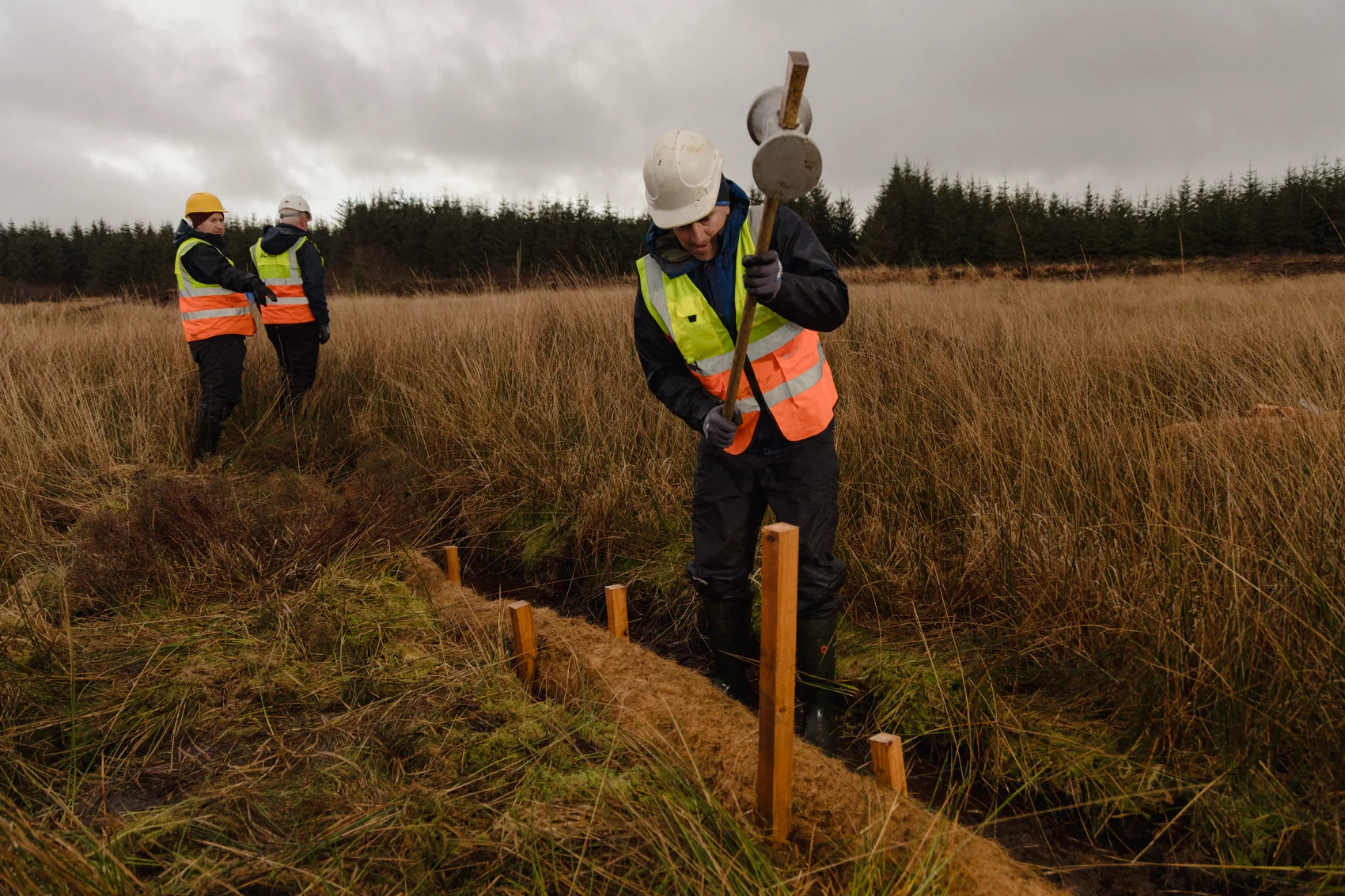
Installing untreated larch plank dams in shallow drains to slow water flow and re-wet the bog.

Peat Plugs

Peat Plugs

Packing native peat into deep drains to block drainage and raise the water table.

Composite Wood-Peat Dams

Composite Wood-Peat Dams

Larch planks reinforced with timber posts for wide or deep drains on sloping ground.

Stone Dams

Stone Dams

Non-calcareous stone placed where little peat remains, protecting the bog's water chemistry.

Coir Logs

Coir Logs

Biodegradable coconut husk rolls blocking gullies and small drains to raise the water table.

Geotextiles

Geotextiles

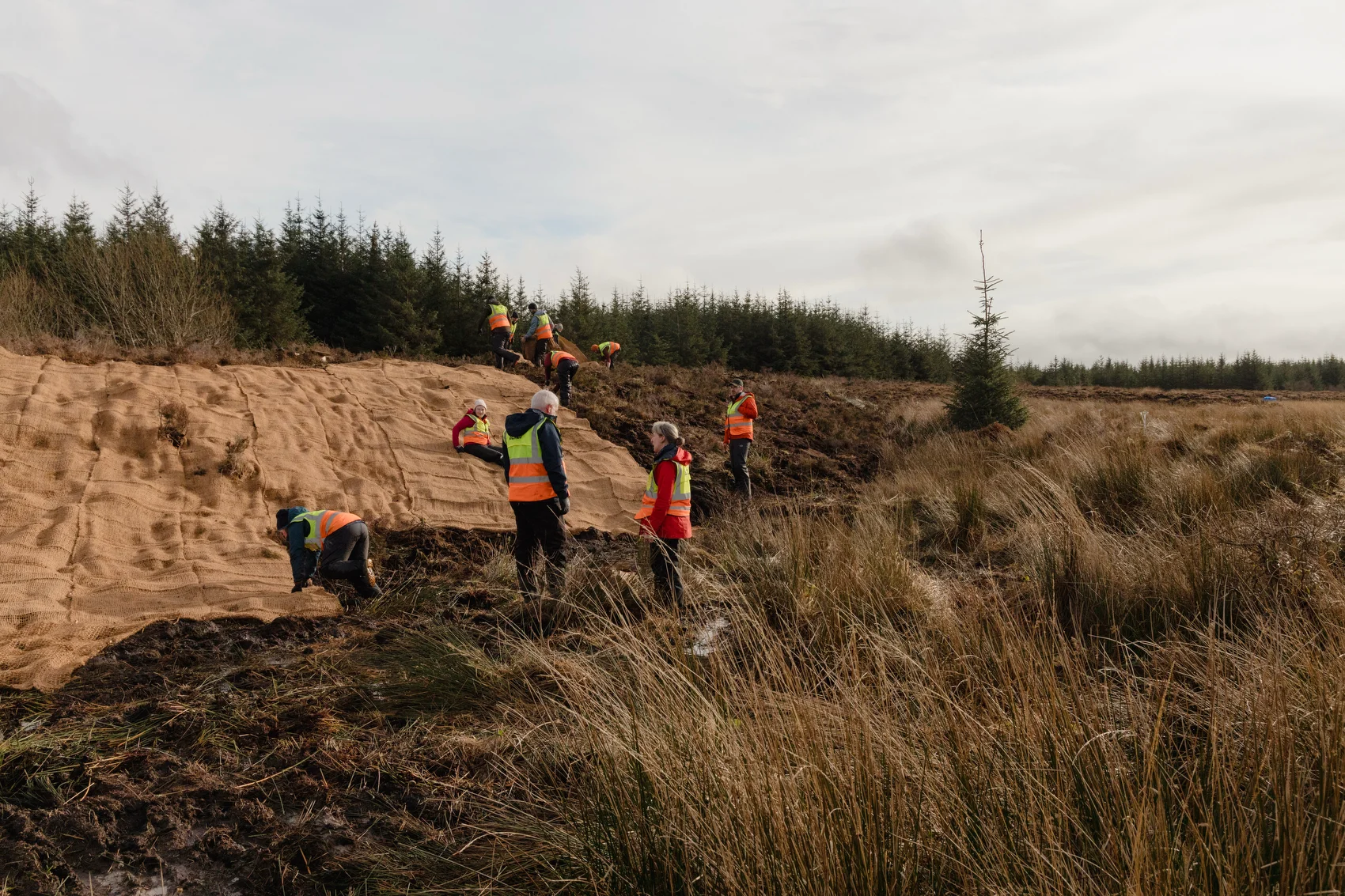
Biodegradable jute netting protecting exposed bare peat and accelerating moss establishment.

Removing Conifers

Removing Conifers

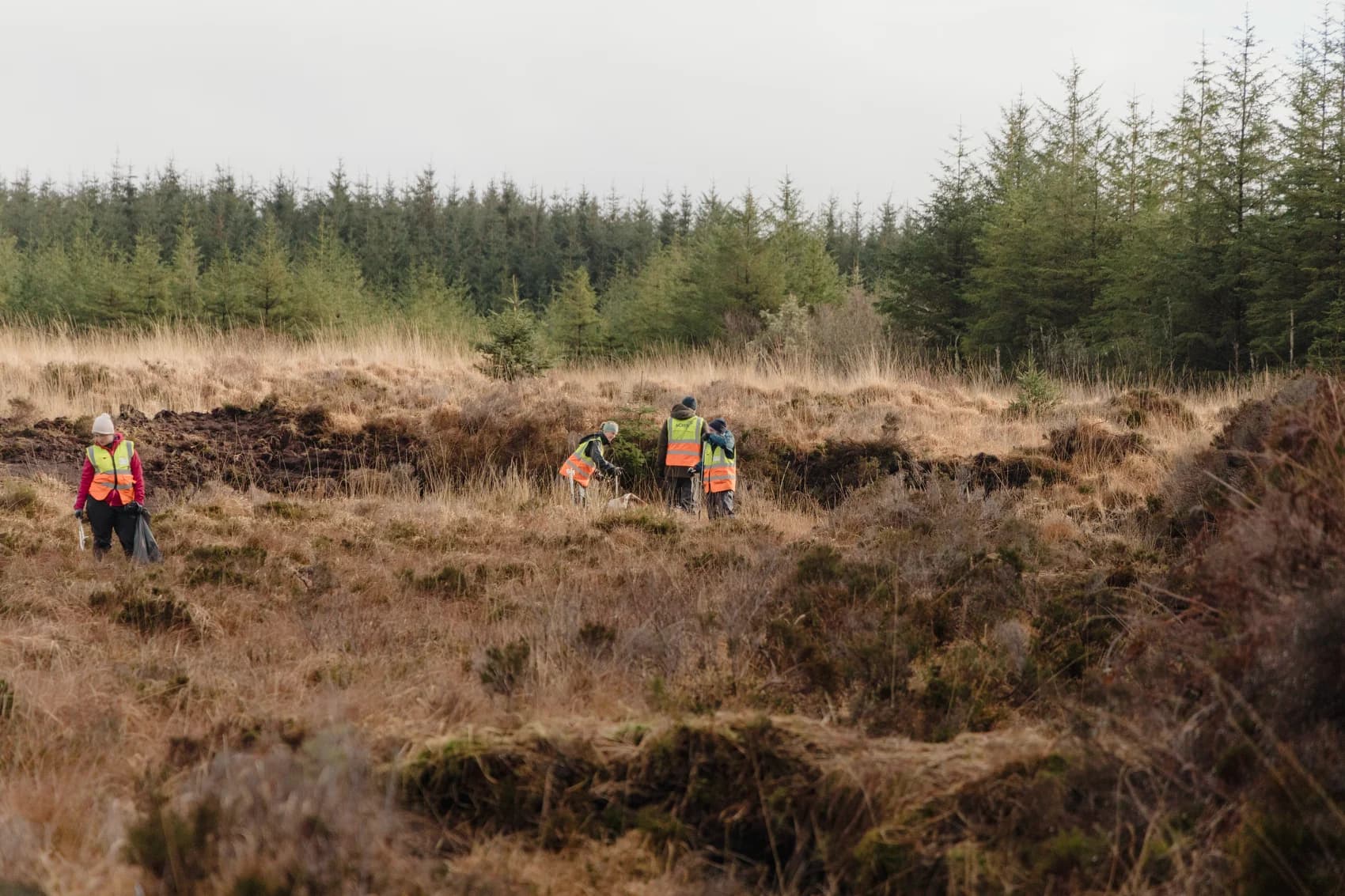
Hand-removing self-sown Sitka spruce to restore open, wet conditions and protect wildlife.

Reprofiling Peat Banks

Reprofiling Peat Banks

Grading steep hags into gentle slopes to reduce air exposure and stabilise vulnerable peat.

Waste Management

Waste Management

Identifying, sorting, and responsibly removing legacy waste to protect wildlife and water quality.

Logistics and Safety

Logistics and Safety

Planning materials, safe working practices, and emergency procedures on fragile bogland.

Techniques

Slowing The Flow Of Water

Stone Dams

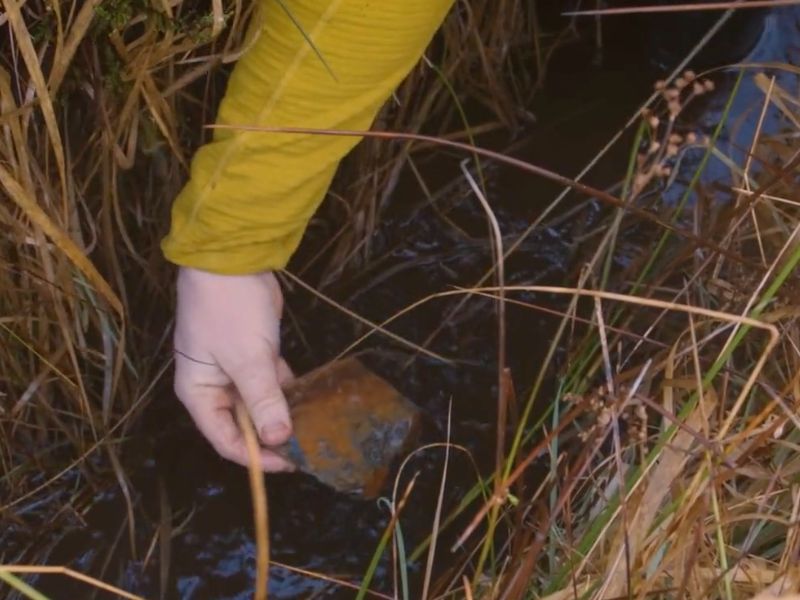
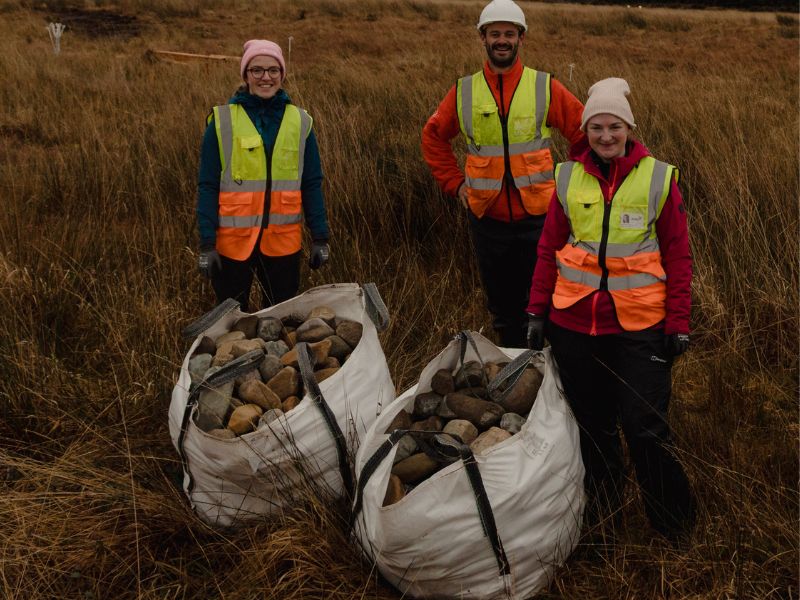
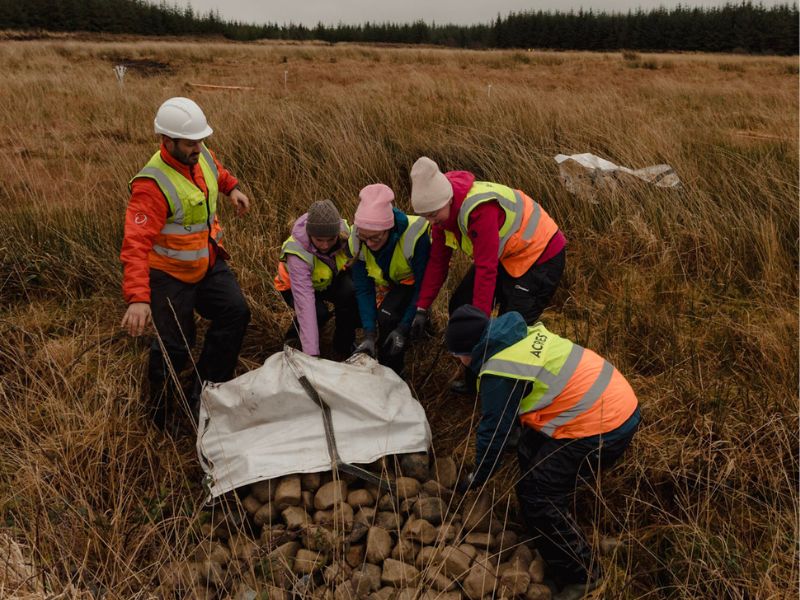
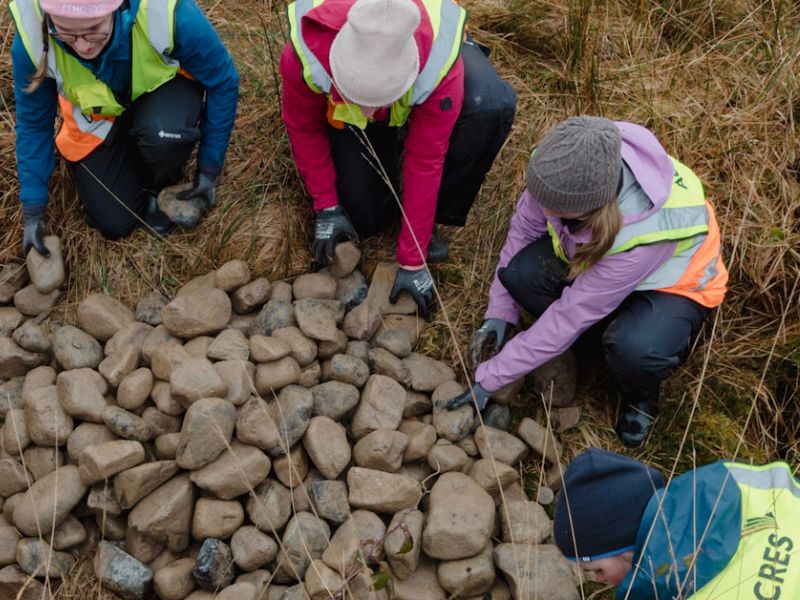
Stone dams are used where the drain has eroded down to the mineral layer. They slow the flow of water preventing further erosion and widening of the drain. On this site round stones were used as the slope is shallow and water velocities are low. Where peak flows are stronger, key the dam into the banks and use angular stones that will lock together.

Coir Logs

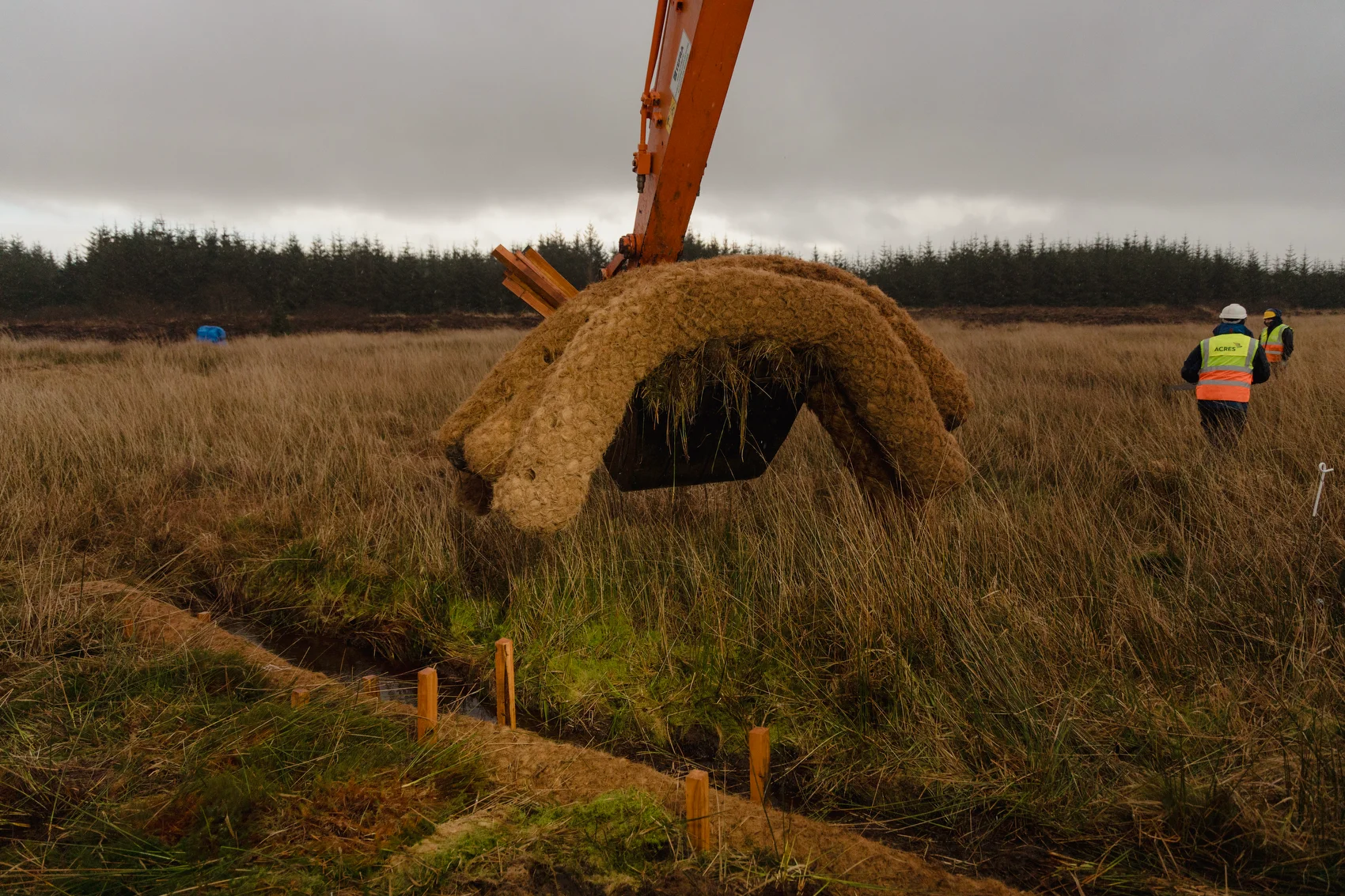
Biodegradable rolls made from coconut husks used to block gullies, dam small drains, and act as bunds in rush-dominated areas. All these help to raise the water table and encourage moss growth. Coir logs must be dug into the peat to prevent water from flowing underneath them. Good choice for repairing small gullies and where access for machines is difficult.

Geotextiles

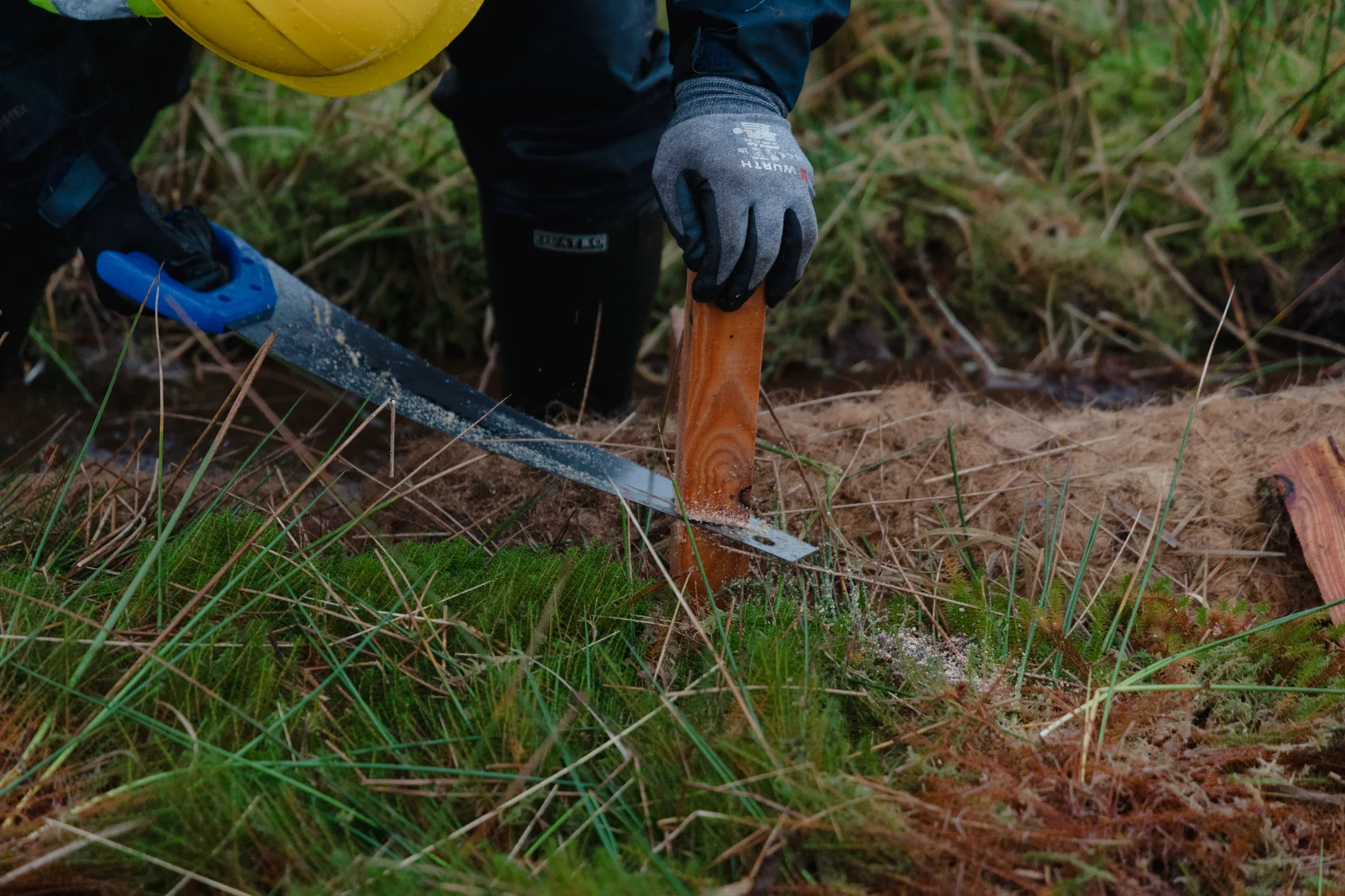
Biodegradable jute netting laid on exposed bare peat and secured with wooden pins. Shields peat from heavy rain, prevents erosion, stabilises the surface, and retains surface moisture helping mosses and plants to establish. Can be used with a mulch of straw or Heather brash.

Composite Peat/Timber Dams

Used where there is a risk of timber dams failing due to high water pressure during peak flows. Larch planks keyed into the banks of the drain and reinforced with timber piles driven deep into the drain base. A peat plug is placed upslope from the frame, a second plug can also be applied on the downslope side. The timber framework provides the strength and stability; the compacted peat provides the seal holding the water back. Used on drains up to 2.5m with gentle gradients, anything larger or where peak flows are potentially very strong seek engineering advice.

Timber Dams

Used in shallow drains where there is still a thick layer of peat at the base of the drain. Untreated larch planks embedded deeply into shallow drains, with a small notch to direct water safely. Notch controls the depth of the pool, preventing water from flowing around or over the dam. Place a stone or timber "shoe" beneath the notch to break the fall of water and limit erosion. Longer lasting than Coir logs, useful where machinery access is not possible or where only a small number of dams are required. Expected to last 8–10 years while vegetation fills the drains naturally.

Materials

Why Larch

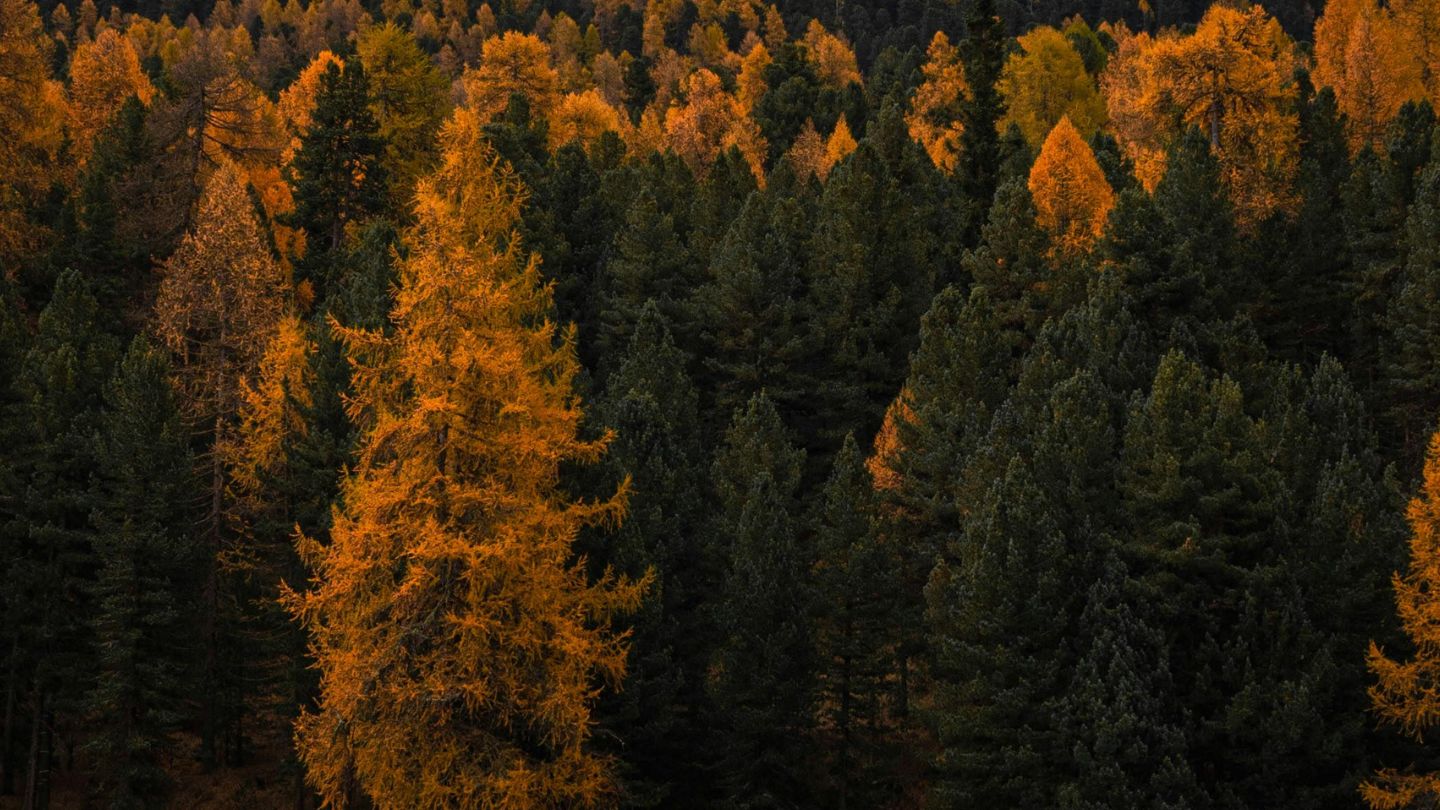
Larch is a fast-growing deciduous conifer; it is grown in Ireland (24,000 ha in 2021) so availability is good and there are less transport issues than coir. Untreated Larch timber has natural resins that allow the wood to resist decay. Most other woods are either too expensive or having limited availability, such as Oak, or decay like White Deal. Using treated timbers introduces long lasting toxic chemicals to the bog which we would prefer not to do.

If Larch planks are embedded in the peat as in a composite peat/timber dam they will last for decades. If they are exposed to the air as with a timber dam and subject to wet/dry cycles they will not endure as long. They will still outlast coir and hold long enough for the pools behind them to fill in and revegetate. By the time the Larch planks break down, they should no longer be needed.

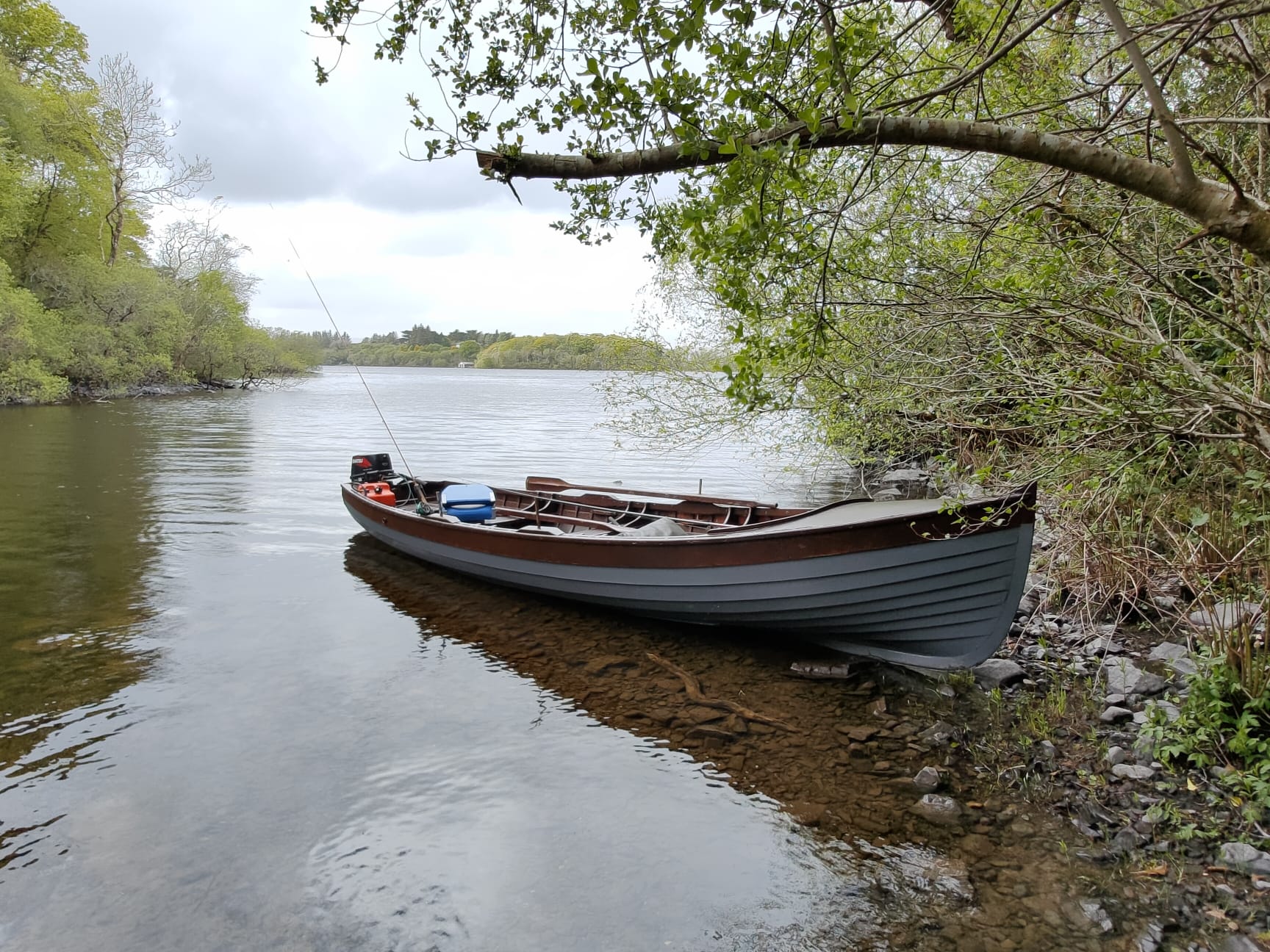
Larch was traditionally used for the hulls of lake boats used for angling on our lakes.

A Larch tree

A Larch tree

A traditional lake boat

A traditional lake boat

Bog Diaries

Latest from the Field

Observations, updates, and discoveries from the Glashapullagh restoration site.

Wildfire and Restoration
Spring

17 April 2026

Wildfire and Restoration

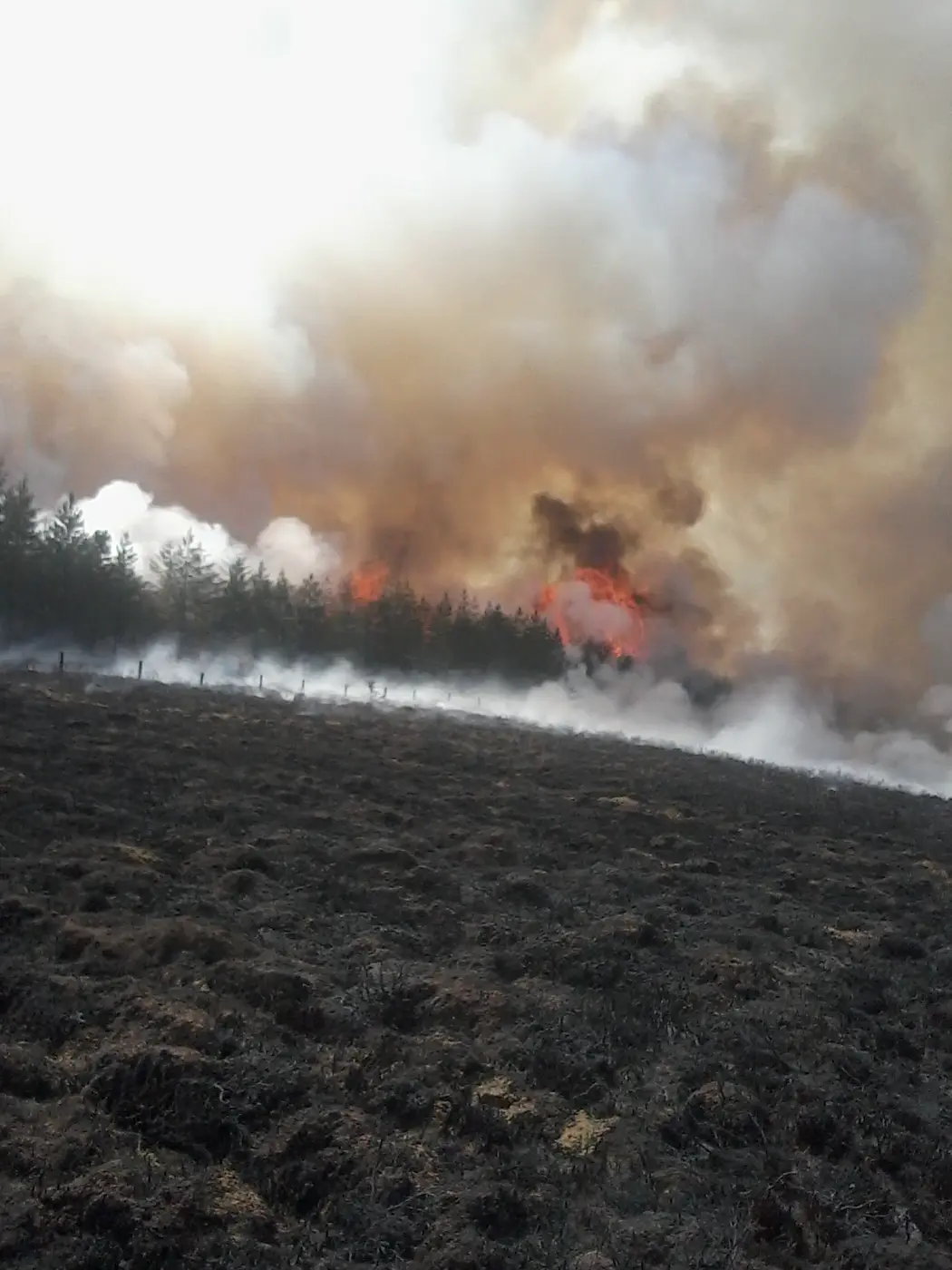
When the bog was drained, the plant communities shifted — and with them, the fire risk. Restoration won't stop Spring wildfires overnight, but it stops them burning deep into the peat, protecting the seed bank that recovery depends on.

Read more →
Thermal Survey: A Bird’s Eye View
Spring

24 March 2026

Thermal Survey: A Bird’s Eye View

Using our M300 drone, a thermal survey of the Glashapullagh site was flown. The drone is equipped with a thermal camera that can detect the body heat from birds and mammals, revealing hidden wildlife across the bog.

Read more →
First Signs of Recovery
Spring

15 March 2026

First Signs of Recovery

Just weeks after the restoration works were completed, the first signs of life are returning to Glashapullagh. Pools are forming behind the dams, frogs have begun spawning, and wintering snipe are feeding in the soft mud.

Read more →
All Bog Diaries →
Geotextile Restoration
It Has Begun.
Protecting bare peat with geotextile fabric — stabilising the surface and encouraging natural regrowth.

Supported By

Our Partners & Funders

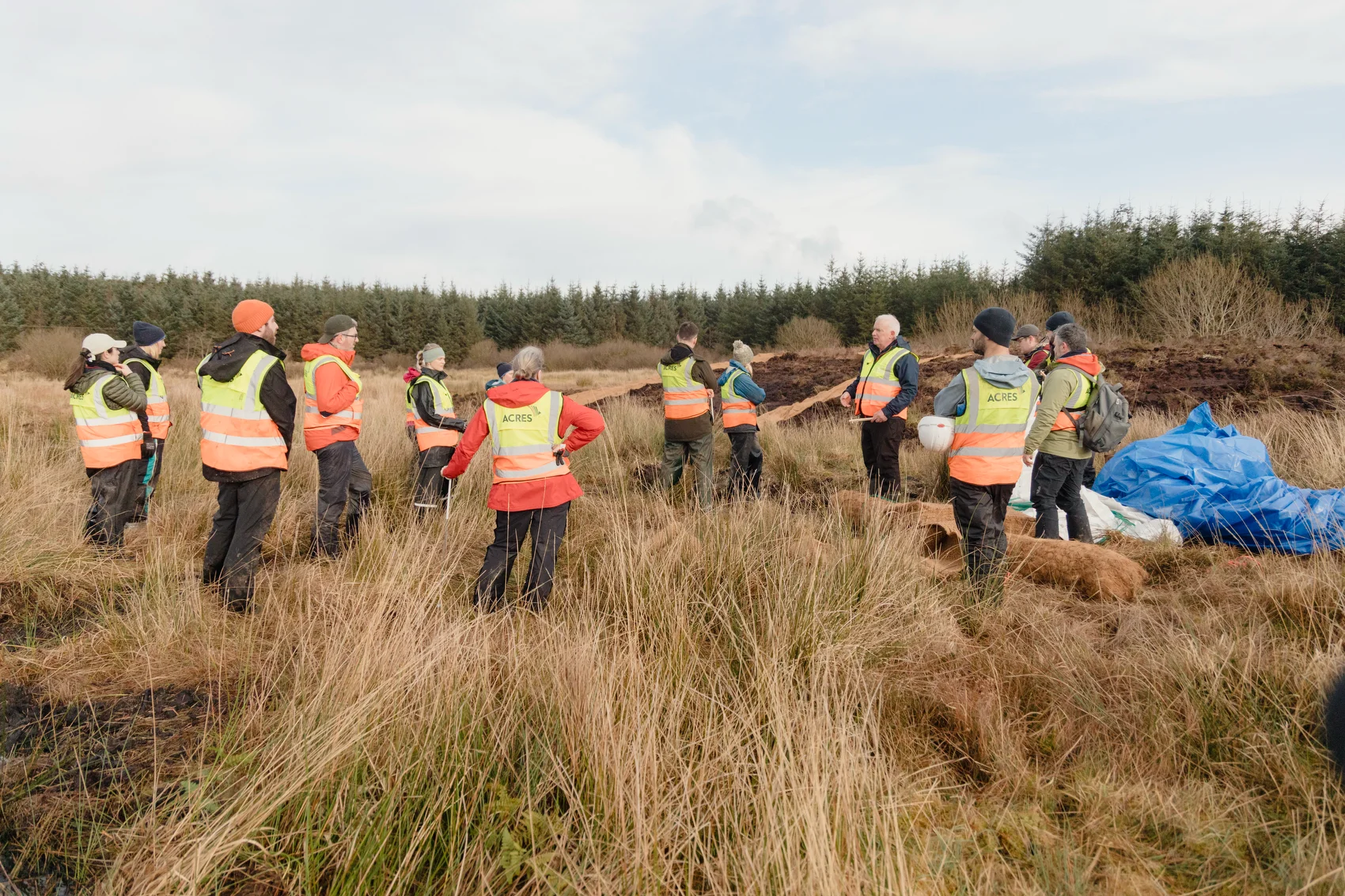
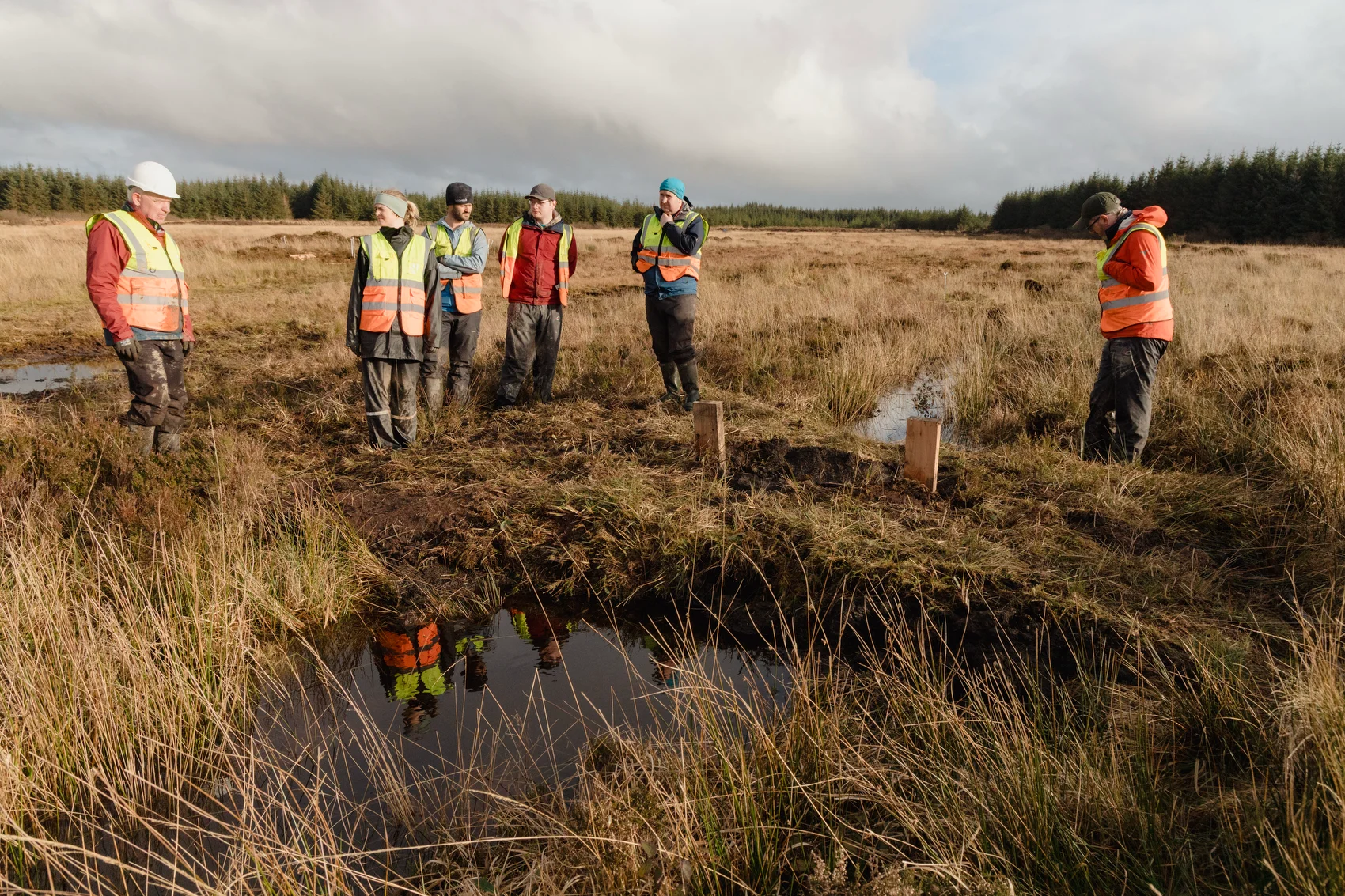
The restoration of the bog at Glashapullagh is first and foremost the achievement of the farmer, it was his vision and desire to restore the bog that made this possible. The work was carried out as a training and capacity building initiative by the staff of ACRES Munster South Connacht with the support of their colleagues from ACRES Breifne and ACRES Leinster and was funded by Wild Atlantic Nature. ACRES Co-operation teams are funded by the Dept. of Agriculture, Food and the Marine as part of Irelands CAP Strategic Plan.

ACRES, Department of Agriculture Food and the Marine, European Union, Wild Atlantic Nature LIFE, Natura 2000, NPWS, EU LIFE Programme